
Three resolutions for better project team collaboration

If your project team or entire organization is still having issues with team collaboration and/or your platform of choice, it’s time to make New Year’s resolutions about how your team collaborates and uses a collaboration platform. These resolutions can give you the extra push to implement the necessary changes to help make collaboration an integral element of team collaboration, project management, and communications. Here are sample resolutions you can make for 2014.

1: Decentralize the management and administration of the collaboration platform

Centralized management over collaboration platforms can be a pain point, so analyze ways that your organization can decentralize platform management and move management out to the team and departments. If you choose to decentralize management over your collaboration platform, it’s important to provide the following support:

  • Train site administrators/managers to ensure they understand the administrative tools and other features; and
  • Create policies and procedures for decentralized site management, including the line where IT support ends and where the team supporting itself begins; and
  • Provide feedback channels — either an internal forum or a working group — where administrators/site managers from across the organization can learn from one another.

2: Establish and follow an enterprise collaboration plan

Collaboration platforms need a plan to prosper. My TechRepublic article entitled What to include in an enterprise collaboration plan presents some elements you can put into an enterprise collaboration plan for your organization.

3: Move one email-based workflow to the collaboration platform

In 2014, you should move at least one email-based workflow to your collaboration platform. Based on the success of that move, you can plan to move other email workflows to the platform depending on your team’s needs.

An easy candidate for this resolution is a technical document review. Emailing documents back and forth amongst writers, editors, and reviewers can risk document versioning. Huddle and SharePoint Online have workflow features that enable you to set up simple workflows without the need of a programmer, ensuring everyone who has access to the document is working from the same version.
Source

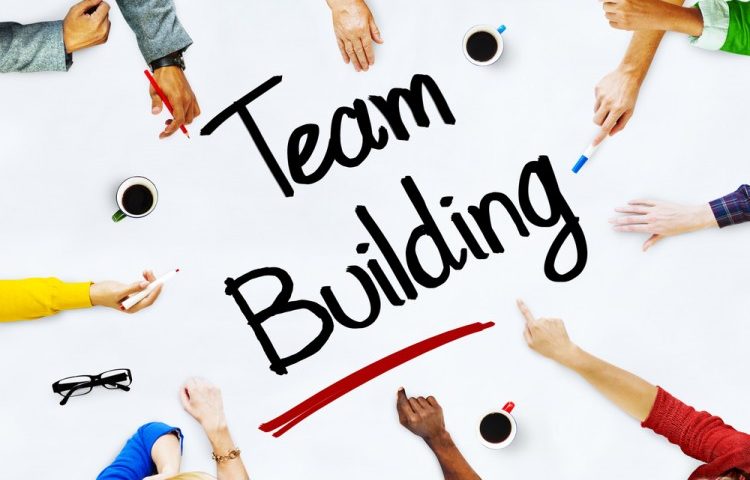
5 Team Building Tips every Leader must know

Great teams are the building blocks of any organization. A great team has shared goals, clear roles, transparent processes for solving problems and making decisions, and the ability to deal with conflicts constructively. A good team may have some of these elements; a great team will have them all. It is up to you as a leader to make sure all of these elements are in place.

Like all coaches, a successful team leader needs a playbook to guide them. If you are leading a new team or want to enhance the performance of an existing one, follow these eight tips.

  1. Emphasize Common Interests and ValuesGetting group members to agree on objectives, strategies, and the need for cooperative effort greatly facilitates a strong identification with the group. Great leaders emphasize mutual interests rather than allowing members to dwell on their differences. Identify shared objectives and explain why cooperation is necessary to attain them. Encourage group members to share information and ideas and to help each other.
  2. Talk about the Importance of Building Trust and Collaboration

    Building trust and collaboration is vital when tasks require team members to share information, equipment, and other resources, help each other, and work in close proximity for a long time on stressful projects. If either of these elements is missing in a team, success will elude you. Lack of trust and acceptance is likely to be a problem in newly formed teams or teams with members who disagree sharply about work-related issues. The leader must reinforce the need for cooperation and trust in team success.

  3. Increase Incentives for Mutual Cooperation

    Basing incentives on individual performance encourages people to compete with each other. Great leaders use incentives based on group performance to encourage cooperation. One way to increase cohesiveness and team identification is to emphasize formal incentives such as a bonus based on improvement in team performance. Another way is to use informal spontaneous rewards to emphasize the importance of service to the team.

  4. Create a System that Allows you to Easily Integrate New Team Members

    Great leaders help assimilate new employees faster, transmit culture and values, and build a sense of community among members through orientation programs. The scope of these programs varies widely. Some organizations spend an hour or two going over key policies and procedures and asking new employees to fill out paperwork. Other organizations use the orientation as an opportunity to immerse them in the team’s culture and values.

  5. Brand Your Teams

    Work with a new team to help them create a group identity. Encourage them to brand their team by developing a team name, slogan, logo, or insignia. Team branding creates strong group identification, especially when group members agree to wear or display the symbols of membership. Ceremonies and rituals can increase identification with the group and make membership seem special. Ceremonies aimed at celebrating achievements or marking an anniversary of events in the history of the group are most effective when they emphasize the group’s values and traditions.

    Source